
Byadmin
Mesh Wi-Fi: A Complete Guide to Features, Benefits, Setup, and Performance
Mesh Wi-Fi is a modern wireless networking system designed to provide strong, consistent internet coverage throughout homes, offices, and large buildings. Unlike traditional Wi-Fi routers that rely on a single access point, a mesh Wi-Fi system uses multiple interconnected devices called nodes to create a seamless wireless network. This helps eliminate dead zones, improve signal strength, and provide reliable internet access in every corner of the coverage area.
As homes become filled with smartphones, laptops, smart TVs, gaming consoles, and smart home devices, mesh Wi-Fi offers an efficient solution for maintaining fast and stable wireless connectivity. This guide explains what mesh Wi-Fi is, how it works, its features, benefits, applications, challenges, and tips for choosing the right mesh Wi-Fi system.
What Is Mesh Wi-Fi?
Definition of Mesh Wi-Fi
Mesh Wi-Fi is a wireless networking system that uses multiple interconnected nodes to create a single, unified Wi-Fi network. Instead of relying on one router to cover the entire area, each node communicates with the others to extend wireless coverage and maintain a strong internet connection.
All nodes work together under one network name, allowing devices to move between coverage areas without manually switching Wi-Fi networks.
How Does Mesh Wi-Fi Work?
Main Router
The primary router connects directly to the modem or internet gateway and serves as the central point of the mesh network.
Mesh Nodes
Additional nodes are placed throughout the home or office to extend wireless coverage.
Seamless Roaming
Connected devices automatically switch to the nearest node with the strongest signal without interrupting the connection.
Unified Network
The entire system operates under a single Wi-Fi network name, making it simple to connect devices.
Key Features of Mesh Wi-Fi
Whole-Home Coverage
Multiple nodes provide wireless coverage across large homes and buildings.
Seamless Connectivity
Devices automatically connect to the strongest available node while moving throughout the coverage area.
Easy Expansion
Additional nodes can often be added to increase network coverage as needed.
Simple Management
Many mesh systems can be configured and managed through mobile applications.
Smart Device Optimization
The system intelligently manages network traffic to improve overall performance.
Automatic Updates
Many mesh Wi-Fi systems support automatic firmware updates to improve security and reliability.
Benefits of Mesh Wi-Fi
Eliminates Dead Zones
Mesh systems provide better coverage in areas where traditional routers may have weak signals.
Better Performance
Multiple nodes help maintain stable internet speeds across the entire network.
Supports Multiple Devices
Mesh Wi-Fi handles numerous connected devices more efficiently than many single-router setups.
Improved Streaming
Strong wireless coverage reduces buffering during video streaming.
Better Remote Work
Reliable Wi-Fi supports video conferencing, cloud applications, and online collaboration.
Applications of Mesh Wi-Fi
Large Homes
Mesh systems provide consistent wireless coverage across multiple floors and large living spaces.
Home Offices
Reliable connectivity supports remote work and business communication.
Smart Homes
Smart lighting, security cameras, thermostats, and other connected devices benefit from stable wireless coverage.
Small Businesses
Mesh Wi-Fi provides dependable networking for employees and customers.
Educational Environments
Schools and learning centers can improve wireless coverage for students and staff.
Entertainment
Streaming media, online gaming, and video conferencing perform more reliably with strong Wi-Fi coverage.
Mesh Wi-Fi Compared to Traditional Routers
Traditional Router
A single router broadcasts Wi-Fi from one location, which may create weak signal areas in larger buildings.
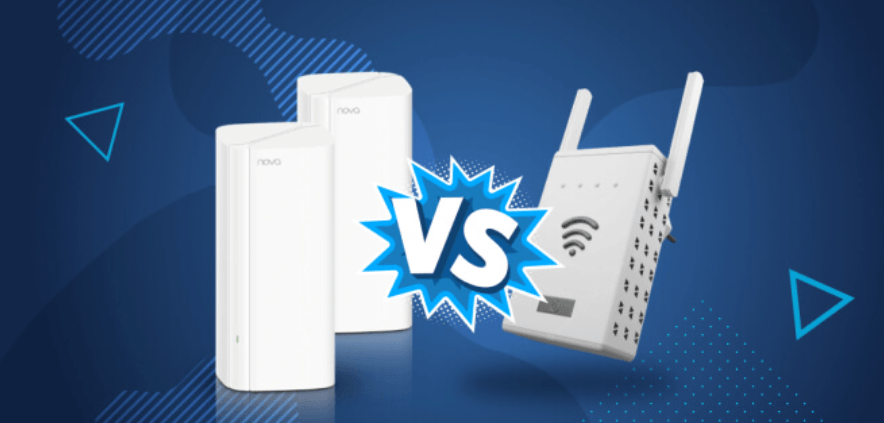
Wi-Fi Range Extender
Range extenders increase coverage but often create separate wireless networks or reduce connection performance.
Mesh Wi-Fi
Mesh systems provide seamless roaming, unified network management, and consistent wireless performance across larger areas.
Challenges of Mesh Wi-Fi
Higher Initial Cost
Mesh systems are generally more expensive than basic standalone routers.
Node Placement
Improper placement of nodes may reduce network performance.
Internet Speed Limitations
Mesh Wi-Fi cannot exceed the maximum speed provided by the internet service provider.
Compatibility
Some advanced features may require compatible networking equipment and modern devices.
Tips for Setting Up Mesh Wi-Fi
Position the Main Router Centrally
Install the primary router near the center of your home whenever possible.
Space Nodes Properly
Place mesh nodes where they can communicate effectively with one another while extending coverage.
Update Firmware
Keep the system updated to improve security and performance.
Secure Your Network
Use strong Wi-Fi passwords and modern wireless encryption.
Monitor Connected Devices
Review network activity periodically to ensure optimal performance and identify unauthorized devices.
Advantages of Mesh Wi-Fi
Reliable Wireless Coverage
Mesh systems provide stable internet access throughout large homes and offices.
Easy Network Expansion
Additional nodes can be added as networking requirements grow.
Better Device Management
The network efficiently distributes traffic among connected devices.
Future-Ready Networking
Mesh Wi-Fi supports increasing numbers of connected devices and evolving wireless technologies.
Frequently Asked Questions
What is mesh Wi-Fi?
Mesh Wi-Fi is a wireless networking system that uses multiple interconnected nodes to provide seamless internet coverage across a large area.
How is mesh Wi-Fi different from a traditional router?
A traditional router broadcasts Wi-Fi from a single location, while a mesh system uses multiple nodes to extend coverage and eliminate dead zones.
Is mesh Wi-Fi good for large homes?
Yes. Mesh Wi-Fi is specifically designed to provide reliable wireless coverage throughout larger homes and multi-story buildings.
Can I add more mesh nodes later?
Many mesh Wi-Fi systems allow users to expand coverage by adding compatible nodes.
Is mesh Wi-Fi worth upgrading to?
If you experience weak Wi-Fi signals, dead zones, or have many connected devices, a mesh Wi-Fi system can provide noticeable improvements in wireless coverage and overall network performance.
Conclusion
Mesh Wi-Fi is an effective solution for users who need fast, reliable, and consistent wireless coverage throughout their homes or workplaces. By using multiple interconnected nodes instead of relying on a single router, mesh systems eliminate dead zones, improve device connectivity, and support growing numbers of smart devices. Whether you stream videos, work remotely, play online games, or manage a connected smart home, a properly installed mesh Wi-Fi system provides a stable and future-ready networking experience.
